

| DifficultyEasy | Total Time30 min | Prep Time15 min | Cook Time15 min |
| ServesN/A | Cost Per ServingN/A | CaloriesN/A | Recipe TypeGuide |
This Grill Setup and Preheating Guide shows you how to properly prepare your grill for the best cooking results. Setting up and preheating your grill right is key for great grilling.
A hot grill cooks food evenly and brings out the best flavors and textures. Whether you’re an expert or a beginner, knowing how to preheat is essential for grilling success.
Why You’ll Love This Guide
- Complete Setup Process – Covers everything from cleaning to final temperature checks.
- Works for All Grill Types – Gas, charcoal, electric, and pellet grill instructions included.
- Safety Focused – Includes important safety considerations and equipment recommendations.
- Troubleshooting Tips – Solutions for common preheating problems and uneven heating.
- Professional Results – Get restaurant-quality searing and even cooking at home.
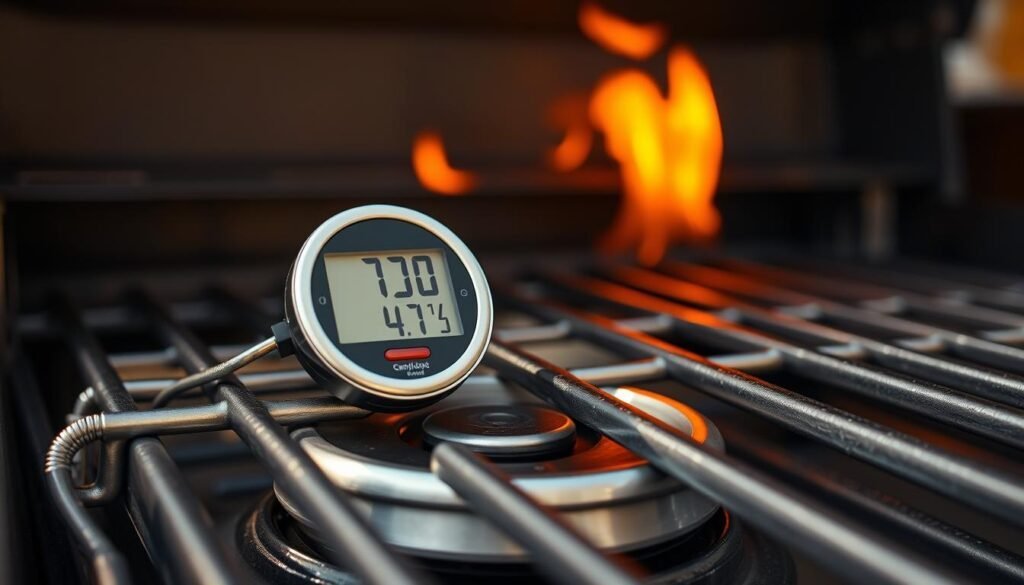
Grill Setup and Preheating Guide
Setting up and preheating your grill is key to grilling success. A well-preheated grill cooks food evenly and at the right temperature.
Essential Tools and Equipment
Cleaning and Maintenance Tools
- Grill brush or scraper for cleaning grates
- Grill cleaning solution or degreaser
- Clean cloth or paper towels
- Bucket for debris removal
Temperature Monitoring Devices
- Digital instant-read thermometer
- Grill surface thermometer
- Infrared temperature gun (optional)
Safety Equipment
- Heat-resistant gloves
- Grill mat or flame-retardant surface
- Fire extinguisher nearby
- Long-handled tools
Pre-Setup Inspection and Cleaning
- Safety check. Ensure the grill is completely cool and disconnected from fuel sources.
- Remove debris. Clear away old food particles, grease, and ash from previous cooking sessions.
- Clean grates. Scrub cooking grates with a grill brush to remove stuck-on residue.
- Check connections. Inspect gas connections, hoses, and propane levels for gas grills.
- Examine components. Look for damaged parts, rust, or wear that might affect performance.
Gas Grill Preheating Process
- Open the lid. Always open the grill lid before lighting to prevent gas buildup.
- Turn on gas. Open the propane tank valve or connect to natural gas line.
- Ignite burners. Turn all burners to high and use the ignition system to light.
- Close lid and wait. Let the grill preheat for 10-15 minutes with the lid closed.
- Adjust heat zones. Set different burners to create temperature zones as needed.
Charcoal Grill Preheating Method
- Use a chimney starter. Fill the chimney starter with the desired amount of charcoal.
- Light the charcoal. Place newspaper or fire starter cubes under the chimney and light.
- Wait for ready coals. Let charcoal burn until coals are ash-covered (about 20-30 minutes).
- Arrange coals. Pour hot coals into the grill and arrange for direct or indirect cooking zones.
- Preheat grates. Place cooking grates over coals and let them heat for 5 minutes.
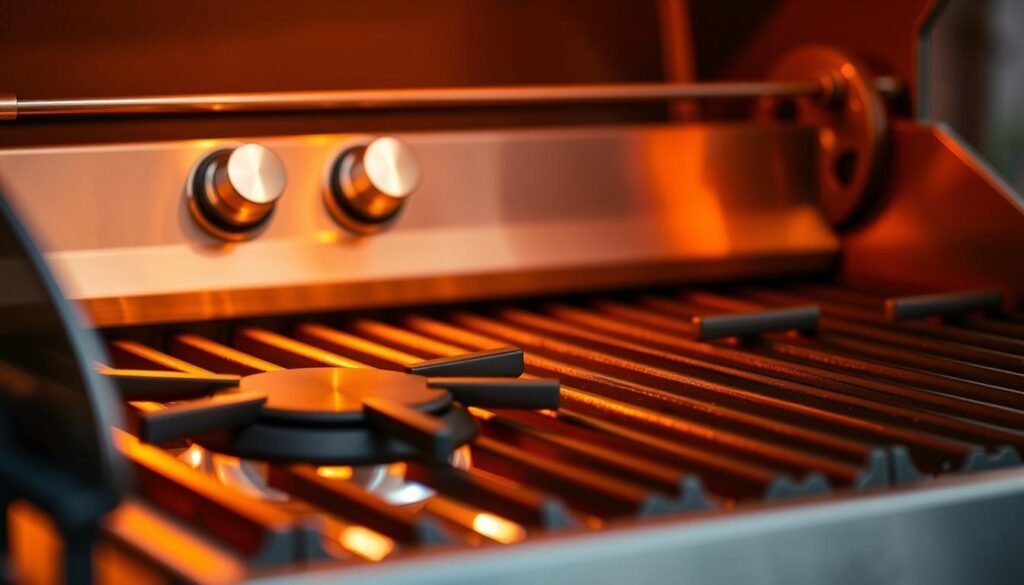
Electric and Pellet Grill Setup
- Connect power. Plug in the grill and ensure stable electrical connection.
- Fill hopper. Add pellets to the hopper for pellet grills.
- Set temperature. Use the digital control panel to select desired cooking temperature.
- Allow preheating time. Let the grill reach target temperature (usually 10-20 minutes).
- Check temperature stability. Verify the temperature holds steady before adding food.
Temperature Testing and Verification
Always verify your grill temperature before cooking.
- Use an instant-read thermometer placed on the cooking grate.
- Check multiple spots to identify hot and cool zones.
- Allow 5 minutes for accurate temperature readings.
- Target temperatures: High heat 450-500 degrees F, medium 350-400 degrees F, low 250-300 degrees F.
Troubleshooting Common Preheating Issues
Uneven heating – Clean burner tubes and adjust air vents for better airflow.
Temperature won’t hold – Check for fuel leaks or blockages in gas lines.
Takes too long to heat – Verify adequate fuel supply and clean heating elements.
Flare-ups during preheating – Remove excess grease buildup from previous cooking sessions.
Safety Considerations
Ventilation – Always grill in well-ventilated areas to prevent carbon monoxide buildup.
Fuel handling – Store propane tanks upright and check for leaks regularly.
Fire safety – Keep a fire extinguisher nearby and never leave a preheating grill unattended.
Weather awareness – Adjust preheating times for wind, cold, or humid conditions.
Temperature Zone Setup
Creating different heat zones allows you to cook various foods simultaneously. Set up a hot zone for searing and a cooler zone for slower cooking.
For gas grills, turn some burners to high and others to medium or low. For charcoal grills, pile coals on one side for direct heat and leave the other side empty for indirect cooking.
Weather Impact and Adjustments
Cold weather requires longer preheating times and more fuel. Wind can cause uneven heating and temperature fluctuations.
Rain or high humidity may extend preheating time. Use windshields or position your grill in a sheltered area when possible while maintaining proper ventilation.
Recommended Grilling Tools
* As an Amazon Associate I earn from qualifying purchases at no extra cost to you.
Frequently Asked Questions
What is the ideal temperature for preheating a grill?
The best temperature for preheating a grill depends on the grill type and food. Most grills do well between 350 degrees F and 500 degrees F.
How long does it take to preheat a grill?
Preheating time varies by grill type. Gas grills need 10-15 minutes. Charcoal grills take 20-30 minutes. Electric and pellet grills preheat in 10-20 minutes.
Why is preheating important for grill safety?
Preheating is key for safety. It burns off debris and ensures a safe cooking temperature. This prevents undercooked or overcooked food.
How do I clean my grill before preheating?
Clean your grill with a brush to remove debris. For tough grime, make a paste with baking soda and water. Apply, let sit, then scrub and rinse.
What are some common issues with uneven heating on a grill?
Uneven heating can be due to clogged burners, dirty grates, or poor maintenance. Clean the burners and grates, and maintain your grill well.
How do I manage temperature control challenges on my grill?
Use a thermometer to check the temperature. Adjust the burners or vents as needed. Consider a grill with advanced temperature control.
Can weather conditions impact grilling, and if so, how?
Yes, weather can affect grilling. Wind, rain, and extreme temperatures can change grill performance. Use windshields, adjust cooking times, and watch the temperature closely.
What are some best practices for grill preheating?
Clean the grill before preheating, use the right fuel, and preheat to the right temperature. Monitor the temperature and adjust as needed for the best results.
How do I preheat a charcoal grill using a chimney starter?
Fill the chimney starter with charcoal, light it, and wait until the coals are ashed over. Then, pour the coals into the grill and adjust vents for the right temperature. Proper Grill Setup and Preheating ensures the best cooking results every time.
Want to save this for later? Pin it!


From quick grilling techniques to simple gear advice, Ryan helps beginners and busy home cooks fire up great meals without over-complicating it. Whether you’re using charcoal, gas, or a portable grill, Ryan’s goal is to make grilling approachable, fun, and full of flavor.


