

| DifficultyEasy | Total Time15 min | Prep Time5 min | Cook Time10 min |
| Serves4 | Cost Per Serving~$2.00 | CaloriesN/A | Recipe TypeSide |
This Basting Brush Guide covers the essential techniques and tools you need to elevate your grilling game with flavorful marinades and sauces. Using a kitchen brush to apply marinades and sauces is easy yet effective for adding aromatic flavors to your grilled meats.
Grill lovers also make a homemade herb brush by tying fresh herbs to a stick to baste grilled and smoked meats. By using a grill brush or BBQ basting brush, you can get more complex and tasty flavors.
Why You’ll Love This Guide
- Easy to Follow – Simple techniques that any home cook can master for better grilled meals.
- Versatile Tools – Learn how different basting brushes work for various cooking applications.
- Flavor Enhancement – Discover how proper basting adds moisture and develops caramelization.
- Safety Focus – Essential tips for preventing cross-contamination and flare-ups while grilling.
- Expert Techniques – Master the timing and motion for professional-level basting results.
Basting Brush Grilling Guide
Master the art of basting to create flavorful, moist grilled meats with professional techniques.
Equipment Needed
- Silicone or natural bristle basting brush
- Small bowl for marinade or sauce
- Grill or grill pan
- Long-handled tongs
Basic Basting Technique
- Prepare marinade. Mix your chosen marinade or sauce in a small bowl.
- Heat grill. Preheat grill to medium-high heat.
- Start grilling. Place food on grill and cook according to recipe.
- Baste properly. Use smooth sweeping motions to apply marinade evenly during last 10 minutes of cooking.
- Prevent flare-ups. Apply thin coats and keep grill lid closed when possible.
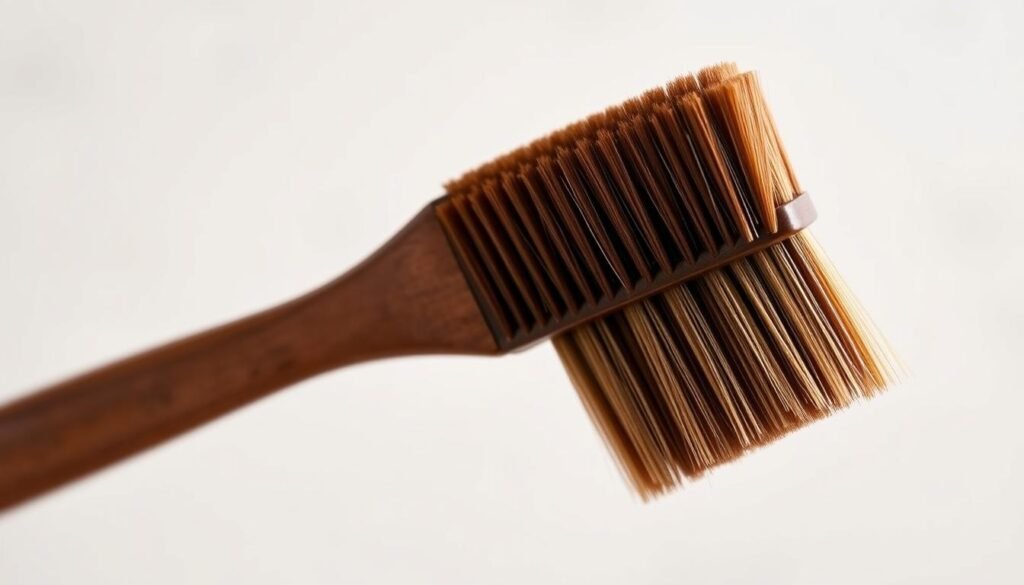
Basting Brush Guide Recipe
Understanding the art of basting transforms simple grilled meals into amazing dishes with complex flavors and perfect moisture retention.
Understanding Basting Techniques
- Basting adds flavor and texture to grilled food by applying marinades or sauces while cooking
- Proper basting keeps food moist and promotes caramelization for better taste
- Timing is crucial – baste during the last 10 minutes to avoid flare-ups
- Use smooth, sweeping motions with your basting brush for even coverage
Choosing the Right Brush
- Silicone brushes are heat-resistant, easy to clean, and don’t shed bristles
- Natural bristle brushes provide traditional feel and absorb marinades well
- Consider handle length for safety – longer handles keep hands away from heat
- Wide brush heads cover large areas quickly, narrow heads provide precision
Cook and Prep Times
- Prep Time – 5 minutes
- Cook Time – 10 minutes
- Total Time – 15 minutes
Professional Basting Tips
Master these techniques to achieve restaurant-quality results at home.
- Apply marinades in thin, even coats to prevent dripping and flare-ups.
- Keep grill lid closed as much as possible to maintain consistent temperature.
- Use separate brushes for raw and cooked foods to ensure food safety.
- Clean your brush thoroughly with soap and hot water after each use.
Substitutions
Silicone brush – Natural bristle brush works but requires more careful cleaning and maintenance.
Oil-based marinades – Butter-based bastes work well for seafood and vegetables.
Store-bought sauces – Make your own herb-infused oils by mixing olive oil with fresh herbs.
Tips and Variations
- Herb brush technique – Tie fresh herbs like rosemary or thyme to a wooden stick for natural flavor infusion.
- Sweet glaze timing – Apply sugar-based glazes only in the last few minutes to prevent burning.
- Regional variations – Try different BBQ sauce styles from vinegar-based Carolina to sweet Kansas City styles.
- Steak enhancement – Perfect your grilling skills with Teriyaki Grilled Steak Bites using these basting techniques.
- Delicate foods – Use lighter touch and citrus-based marinades for fish and seafood.
Ingredient Notes
Silicone brushes – Look for heat-resistant silicone rated for high temperatures and dishwasher-safe construction.
Natural bristle brushes – Choose brushes with firmly attached bristles that won’t shed into your food.
Marinades – Oil-based marinades work best for most meats, while butter-based work well for seafood.
Estimated Cost Per Serving
- Quality basting brush – ~$8.00 (one-time purchase)
- Basic marinade ingredients – ~$2.00
- Additional seasonings – ~$1.00
Total equipment and ingredients: ~$11.00 – roughly $2.75 per use for 4 servings.
Prices are estimates based on average US grocery store costs and will vary by location and brand.
How to Store and Reheat
Clean your basting brush thoroughly with soap and hot water after each use. Store silicone brushes in a dry place at room temperature.
For natural bristle brushes, allow to air dry completely before storing to prevent mold growth. Check the FDA food storage guidelines for more detail on kitchen tool maintenance.
What to Serve With This Basting Technique
This basting technique works perfectly with grilled chicken, steaks, pork chops, and seafood. The method enhances natural flavors without overpowering the main dish.
Try it with marinated vegetables for caramelized edges, or use it to glaze grilled fruit for desserts. The technique also works well with Teriyaki Grilled Steak Bites for added flavor depth.
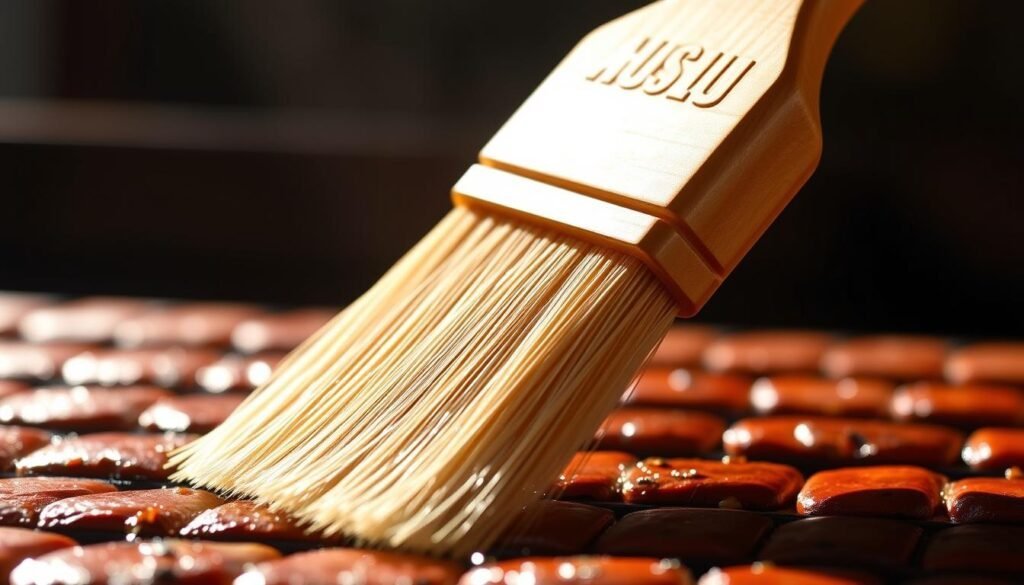
Recommended Kitchen Gear
* As an Amazon Associate I earn from qualifying purchases at no extra cost to you.
Frequently Asked Questions
What is a basting brush, and why is it essential for grilling?
A basting brush helps put marinades, sauces, or oils on food while grilling. It makes the food taste better and feel softer.
What are the benefits of using a silicone basting brush over a natural bristle brush?
Silicone basting brushes are good because they don’t melt, are easy to clean, and don’t shed. Natural bristle brushes give a traditional feel but need more care.
How often should I baste my grilled meats?
How often to baste depends on the meat, its thickness, and the grill’s heat. Baste every 5-10 minutes to add flavor.
Can I use a basting brush for cooking applications other than grilling?
Yes, basting brushes are good for many tasks. Use them for egg washes on pastry, sauces on roasted meats, or oiling pans.
How do I prevent cross-contamination when using a basting brush?
To avoid cross-contamination, use different brushes for different foods. Clean the brush well with soap and water after each use.
What are some common marinades and sauces used with a basting brush?
Popular marinades and sauces include oil-based ones, herb-infused oils, sweet glazes, BBQ sauces, and butter bastes. Pick one based on the food and flavor you want.
Can I use a basting brush for grilling delicate foods like fish and seafood?
Yes, use a basting brush for fish and seafood with this Basting Brush Guide. Be gentle and choose a marinade or sauce that won’t overpower the food.
Want to save this for later? Pin it!


From quick grilling techniques to simple gear advice, Ryan helps beginners and busy home cooks fire up great meals without over-complicating it. Whether you’re using charcoal, gas, or a portable grill, Ryan’s goal is to make grilling approachable, fun, and full of flavor.


